

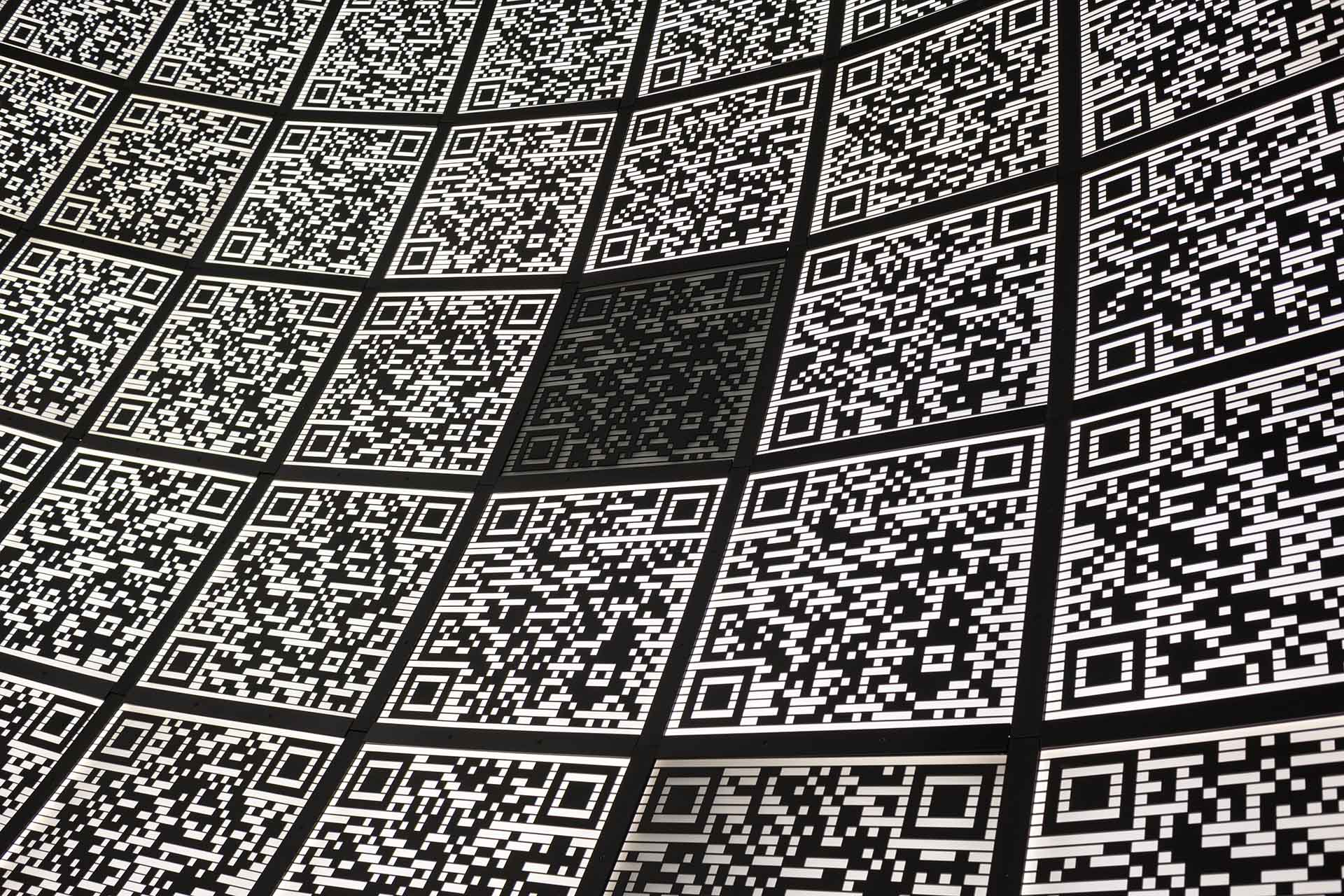

In recent years, QR codes have made a comeback in a big way. Originally created in the 90s for tracking parts in vehicle manufacturing, QR codes have evolved into a versatile tool used in various industries. Despite being around for decades, QR codes are still relevant and have become an integral part of our daily lives. In this blog post, we will explore the resurgence of QR codes and delve into why they are still important today.
The History of QR Codes
QR codes, short for Quick Response codes, were invented in 1994 by Denso Wave, a subsidiary of Toyota, to track vehicles during the manufacturing process. These two-dimensional barcodes quickly gained popularity due to their ability to store more data than traditional barcodes and their fast readability. Originally used in industrial applications, QR codes later found their way into marketing and advertising.
Evolution of QR Codes
In the early 2000s, smartphones revolutionized the way we interact with QR codes. With the advent of camera-equipped smartphones, people could easily scan QR codes without the need for specialized scanning devices. This led to a surge in the use of QR codes for marketing campaigns, product packaging, and even mobile payments.
The Resurgence of QR Codes
After a period of decline in popularity, QR codes have made a strong comeback in recent years. The COVID-19 pandemic played a significant role in this resurgence, as businesses and consumers sought contactless solutions for various activities. From contactless menus at restaurants to digital event tickets, QR codes offered a safe and convenient way to access information and make transactions.
Reasons for the Resurgence
Several factors have contributed to the resurgence of QR codes. One key factor is their ease of use - anyone with a smartphone can scan a QR code without the need for additional hardware or software. Additionally, advancements in technology have made QR code scanning faster and more reliable, further enhancing the user experience.
Versatility of QR Codes
QR codes are incredibly versatile and can be used in a wide range of applications. In marketing, QR codes can drive traffic to websites, promote products, and provide additional information to consumers. In retail, QR codes on product packaging can offer product details, customer reviews, and even recipes. For businesses, QR codes can facilitate contactless payments, track inventory, and streamline operations.
QR Codes in Healthcare
The healthcare industry has also embraced QR codes for various purposes. QR codes on patient wristbands can provide medical staff with instant access to patient information and medical history. In vaccine vials, QR codes can ensure traceability and authenticity. Even prescriptions can now come with QR codes for easy refills and dosage information.
Enhancing Customer Engagement
QR codes offer a unique way to engage with customers and enhance their overall experience. By scanning a QR code, customers can access exclusive content, participate in surveys or contests, and receive personalized offers. This interactive element helps businesses build stronger relationships with their customers and drive brand loyalty.
Future Trends in QR Code Usage
Looking ahead, the future of QR codes looks promising. As technology continues to evolve, we can expect to see more innovative uses of QR codes in various industries. Augmented reality (AR) integration with QR codes could create immersive experiences for consumers, while blockchain technology could enhance security and traceability in supply chains.
Conclusion
In conclusion, the resurgence of QR codes highlights their enduring importance in today's digital world. From marketing and retail to healthcare and beyond, QR codes have proven to be a versatile and valuable tool for businesses and consumers alike. As we look to the future, the potential for QR code innovation is limitless, making them a relevant and essential technology for years to come.