
Understanding On-Page Optimization: A Complete Guide for Digital Success
In the competitive world of digital marketing, mastering on-page optimization is crucial for any business looking to improve its online presence and rank higher on search engines. At PAEL Digital Marketing, we specialize in helping businesses harness the power of on-page SEO to drive organic traffic, enhance user experience, and ultimately boost conversions.
This comprehensive blog post will walk you through everything you need to know about on-page optimization — from what it is, why it matters, key elements, best practices, and how to implement it effectively.
What is On-Page Optimization?
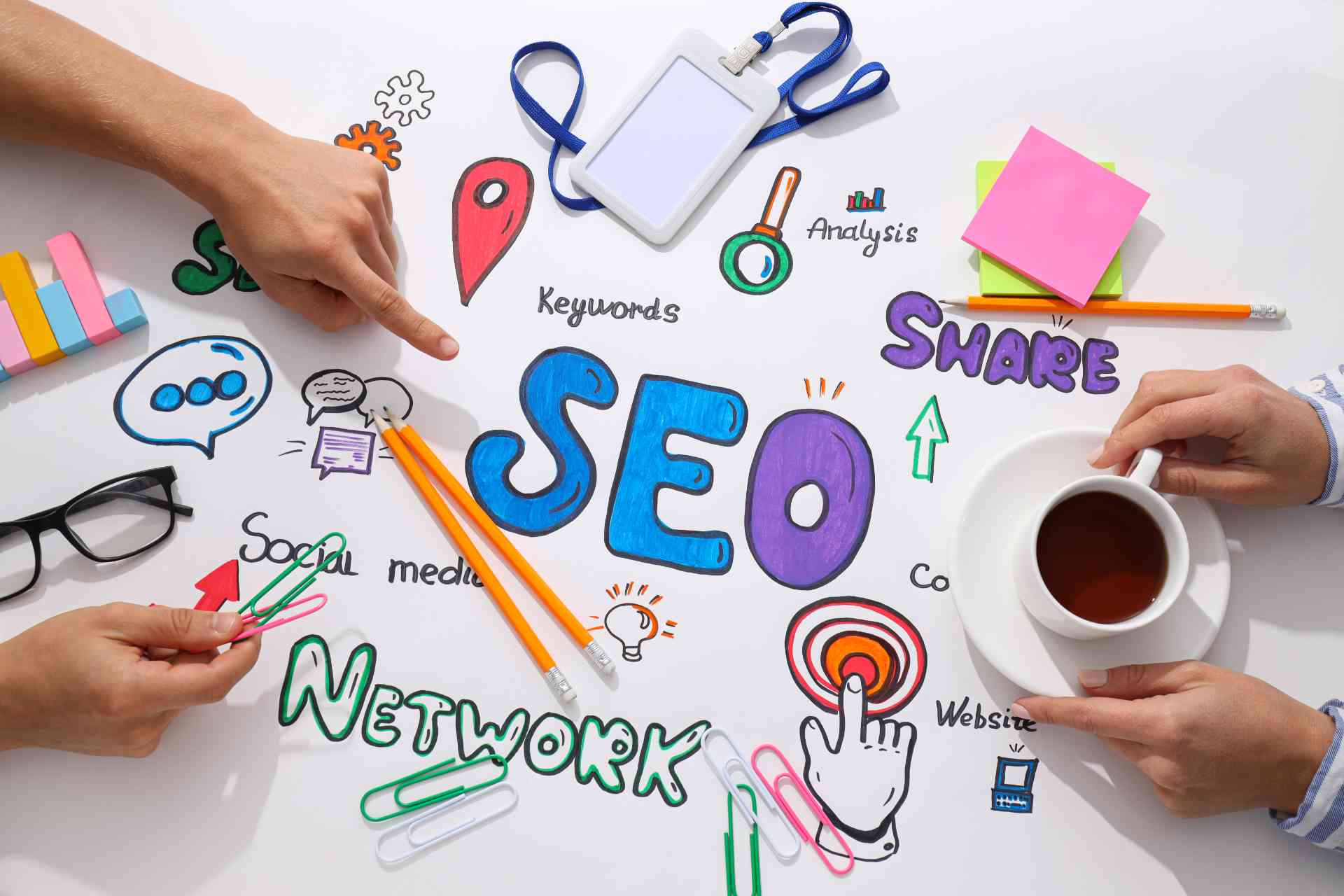
On-page optimization (also called on-site SEO) refers to the process of optimizing individual web pages to rank higher and earn more relevant traffic in search engines. It involves tweaking both the content and HTML source code of a page, unlike off-page SEO which focuses on external factors such as backlinks.
Simply put, on-page optimization is about making your website pages attractive and understandable for both users and search engines.
Why On-Page Optimization Matters Improves Search Engine Rankings: Search engines like Google use complex algorithms to decide which pages to show in search results. On-page SEO helps these algorithms understand your content better, improving your chances of ranking higher.
- Enhances User Experience: Optimized pages load faster, are easier to navigate, and present content clearly, keeping visitors engaged and reducing bounce rates.
- Increases Organic Traffic: By targeting relevant keywords and structuring your content well, on-page SEO attracts visitors who are actively searching for what you offer.
- Supports Other Marketing Efforts: A well-optimized page complements paid advertising, social media efforts, and branding strategies by providing a strong foundation for conversions.
Key Elements of On-Page Optimization
Understanding the components that make up effective on-page SEO is essential. Here are the primary elements:
1. Keyword Research and Usage
Keywords are the words and phrases users type into search engines. Using relevant keywords strategically throughout your page ensures search engines know what your page is about.
- Primary Keyword: The main focus keyword should appear in the title tag, URL, headers, meta description, and naturally within the content.
- Secondary Keywords & LSI (Latent Semantic Indexing) Keywords: These related terms help provide context and improve content relevance.
2. Title Tag
The title tag is an HTML element that specifies the title of a web page. It appears as the clickable headline in search results.
- Keep it under 60 characters.
- Include the primary keyword near the beginning.
- Make it compelling to encourage clicks.
3. Meta Description
The meta description is a brief summary (up to 160 characters) of the page content shown below the title in search results.
- Use keywords here.
- Write clear, persuasive copy that encourages users to visit your site.
4. URL Structure
Clean, descriptive URLs help both users and search engines understand the page topic.
- Include the primary keyword.
- Avoid long strings of numbers or irrelevant characters.
- Use hyphens to separate words.
Example: https://paeldigitalmarketing.com/understanding-on-page-optimization
5. Header Tags (H1, H2, H3, etc.)
Headers organize content into sections making it easier to read.
- Use one H1 tag per page with the primary keyword.
- Use H2 and H3 tags for subheadings with secondary keywords.
- Proper structure improves crawlability and user experience.
6. Content Quality
Content is king for SEO. High-quality, original content that provides value keeps visitors engaged and earns backlinks.
- Write clear, informative content that addresses user intent.
- Include keywords naturally — avoid keyword stuffing.
- Use multimedia like images and videos to enrich content.
7. Internal Linking
Linking to other relevant pages within your website helps distribute page authority and keeps visitors exploring more of your content.
8. Image Optimization
Images should be optimized for fast loading and SEO:
- Use descriptive file names with keywords.
- Add alt text describing the image for accessibility and search engines.
- Compress images to reduce file size without losing quality.
9. Mobile-Friendliness
With most users browsing on mobile devices, responsive design is vital to ensure your site looks good and works well across all screen sizes.
10. Page Speed
Slow-loading pages harm user experience and rankings.
- Optimize code.
- Use caching.
- Compress images.
- Consider Content Delivery Networks (CDNs).
11. Schema Markup
Using structured data markup helps search engines understand your content better and can enhance your listing with rich snippets.
Best Practices for On-Page Optimization
To maximize the impact of your efforts, follow these proven strategies:
- Focus on User Intent: Always align content with what users are actually searching for.
- Avoid Duplicate Content: Ensure each page has unique content and meta information.
- Keep URLs Simple: Shorter URLs tend to perform better.
- Regularly Update Content: Fresh content signals relevance to search engines.
- Use Analytics: Monitor performance metrics like bounce rate, time on page, and conversions to refine your strategy.
- Test and Improve: Use A/B testing for titles, meta descriptions, and calls to action.
How PAEL Digital Marketing Can Help
At PAEL Digital Marketing, we integrate on-page optimization into our holistic digital marketing services including website design & development, social media management, paid advertising campaigns, branding, marketing strategy planning, and SEO.
Our team:
- Conducts detailed keyword research tailored to your business goals.
- Optimizes website structure and content for maximum impact.
- Ensures fast-loading, mobile-friendly sites that engage visitors.
- Implements advanced SEO tactics including schema markup.
- Monitors ongoing performance with analytics tools to continually improve results.
Conclusion
Mastering on-page optimization is essential for any business looking to thrive online. It not only boosts your search engine rankings but also improves user experience and supports your overall marketing strategy.
If you want expert help with on-page SEO or any aspect of digital marketing, contact PAEL Digital Marketing today. We’re here to help you grow your business through smarter, data-driven digital marketing solutions.
Ready to optimize your website for success?
Visit PAEL Digital Marketing or reach out to us for a free consultation!
By applying these principles consistently, your website will become more visible, trustworthy, and valuable in the eyes of both search engines and your customers.